There seems to be nothing in your cart.
Didn't find what you were looking for? Contact our consultant.
To save your shopping cart until your next visit, create an account or register .
Browse our Hits sales


There seems to be nothing in your cart.
Didn't find what you were looking for? Contact our consultant.
To save your shopping cart until your next visit, create an account or register .
Browse our Hits sales




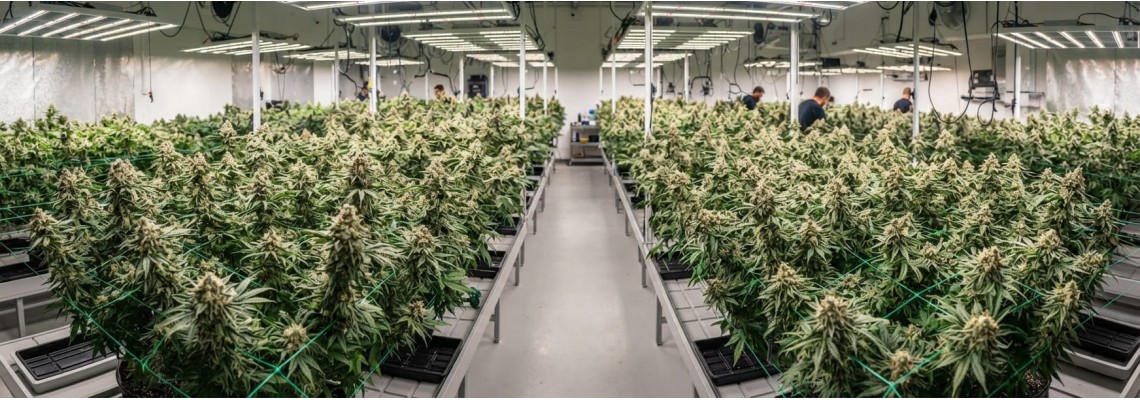
You can increase cannabis yield with a combined approach that includes choosing high-productivity genetics, using strong full-spectrum lighting, applying plant training techniques (such as LST and SCROG), and setting a correct feeding schedule with balanced fertilizers and growth stimulants.
Smart use of space, timely feeding and microclimate control can raise productivity significantly without putting plant health at risk.
Success is built at the planning stage. The key elements that determine the mass and quality of the final product are genetic potential, light intensity, substrate quality and nutrient availability. For example, modern feminized cannabis seeds ensure the development of productive female plants only.
Use the table below to compare how key factors affect grow-box performance:
| Factor | Basic level | Optimal level (for maximum yield) |
| Lighting | CFL or weak LED lamps | Powerful full-spectrum LED or HPS with the right spectrum |
| Nutrition | Generic fertilizers | Specialized fertilizers and growth stimulants by phase |
| Training | Natural growth with no intervention | LST, defoliation and SCROG techniques |
| Microclimate | Basic ventilation | Temperature and humidity control (carbon filter, air flow) |
| Genetics | Regular seeds of unknown origin | Proven strains for beginners or elite hybrids |
Mechanical work on the plant can reshape it so every branch gets equal light:
To get the most from a grow box or outdoor plot, look at this selection of productive strains with strong traits:
| Strain | Genetics | THC / Features | Yield |
| Fast Gelato ES | Indica / Sativa (Fast Version) | High / Accelerated ripening | High |
| Fast Girls Scout Cookies ES | Indica-dominant hybrid | Strong / Fast cycle | Abundant |
| Auto Gagarin Feminised Silver | Autoflowering hybrid | Extremely high | Large harvest of resinous buds |
| Auto Sour Diesel Feminised | Sativa-dominant autoflower | High / Vigorous growth | High |
| Auto Lavender Feminised | Indica / Sativa / Ruderalis | High / Aromatic flowers | Strong figures |
| Big Devil Feminised Gold | Autoflowering hybrid (Gold series) | High / Large plant size | Maximum for autos |
| Strawberry Cookies OG R1 Feminised (Ethos) | Elite genetics (Ethos Genetics) | Premium level / Unique terpene profile | High commercial yield |
| Cherry Pie OG S1 Feminised (Ethos) | Elite genetics (Ethos Genetics) | Intense effect / Elite strain | Dense, heavy flowers |
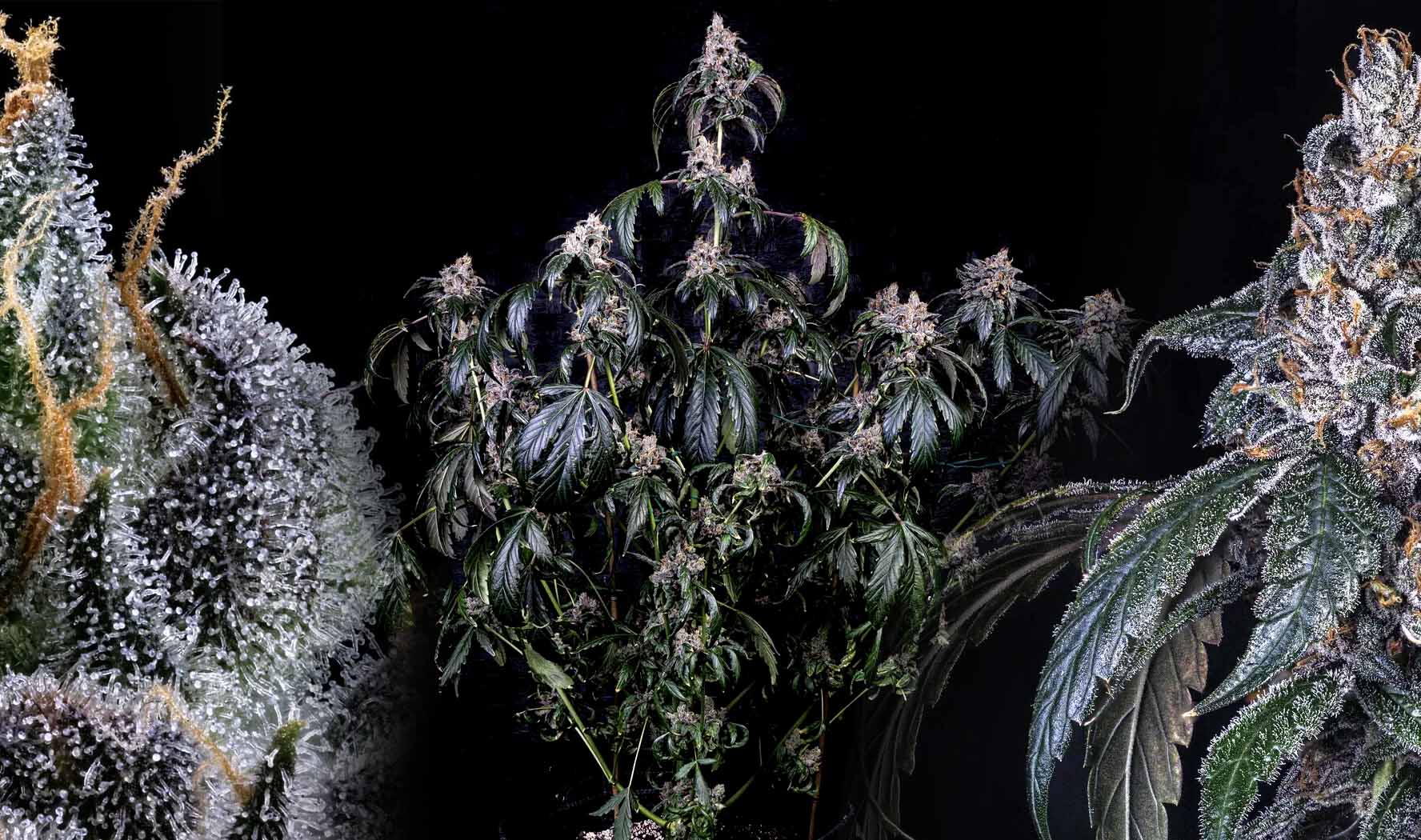
Light is the “fuel” for photosynthesis. Too few lumens stretch stems and produce loose, airy flowers. In flowering, plants especially need phosphorus, potassium and micronutrients, applied gradually to avoid overfeeding.
If you want a fast, stable harvest without complex light-cycle management, a strong option is autoflowering feminized seeds, which enter flowering on their own.
Even with advanced fertilizers and strong lamps, watering errors (constant overwatering or drought) can fully stop root development. It is also critical not to skip the final substrate flush with clean water before harvest.
For regions with a short summer or unpredictable outdoor weather, early-finishing Fast Version express strains are a solid alternative, as they can finish before the cold arrives.
Conclusion: Higher cannabis yield comes from the synergy of solid genetics, strong lighting, correct nutrition and timely training. Microclimate control and careful handling at every stage deliver a strong result.
LST and proper light distribution can raise final yield by 20–40% by activating hidden side shoots.
Yes, but only soft methods (LST). Topping or hard stress is not recommended for autos because of their short life cycle.
The usual causes are insufficient light power, a phosphorus and potassium deficit in flower, or temperature that is too high in the tent.
Feed is alternated with plain water on a “feed — water — water” schedule, or according to the professional chart from the nutrient brand.
Yes. The larger the root volume (indoors, pots of 10–15 litres are common), the larger and stronger the above-ground plant becomes.
Yes. Specialized boosters based on phosphorus, potassium and amino acids speed up bud mass gain in the final weeks of ripening.
Remove excess leaves in stages: at the end of veg and in the first two to three weeks of flower, while the plant can still handle stress easily.
 Написать отзыв