There seems to be nothing in your cart.
Didn't find what you were looking for? Contact our consultant.
To save your shopping cart until your next visit, create an account or register .
Browse our Hits sales


There seems to be nothing in your cart.
Didn't find what you were looking for? Contact our consultant.
To save your shopping cart until your next visit, create an account or register .
Browse our Hits sales






In the first and second parts of our series we covered the nature of aromatic compounds and the main terpenes in detail. Even elite genetics, however, can lose their potential in just a few days if critical mistakes are made after harvest.
Volatile organic compounds are extremely sensitive to external factors and evaporate at temperatures above 20–30 °C. In this final part we explain how to dry and cure the harvest so that taste and aroma are preserved.
Terpenes evaporate because of high temperature, ultraviolet light and too-rapid moisture loss from the flowers. After the plant is cut, nutrient flow stops, oxidation begins and the fragile trichomes start to degrade.
If the harvest is dried too fast in the sun or in hot conditions, the outer layer of the buds dries in a couple of days. The volatile compounds leave first, leaving a grassy smell and bitterness.
Optimal conditions are 18–20 °C, 50–55% relative humidity and complete darkness for 7–14 days. The room should be well ventilated, but without direct airflow on the flowers.
These parameters let moisture leave the bud structure evenly without damaging the resin glands of the trichomes:
Curing is the stage of controlled maturation of the flowers in airtight glass containers, during which moisture redistributes from the centre of the bud to the edges and chlorophyll ferments. The process lasts 3 to 6 weeks and reveals the strain’s true aromatic profile.
In the first days the jars are opened regularly for 10–15 minutes to release excess carbon dioxide and moisture. Gradually the grassy notes give way to a deep, full bouquet.
Long-term storage needs a cool, dark place at 10–15 °C and two-way humidity packs at 58–62%. This prevents cannabinoid degradation and oxidation of essential oils.
Quality seeds from the Errors Seeds catalog carry strong genetic potential that is fully realised with correct storage.
Bud density and resin levels determine how well trichomes resist rapid loss of essential oils. Indica hybrids with high resin content hold aromatic compounds better than airy flowers.
Dense resinous buds need extra attention to air circulation in the first week of drying because moisture leaves the core slowly. Keeping humidity at 50–55% is critical for mould protection.
Properly dried dense flowers retain a rich complex of essential oils and show a vivid aroma during curing.
Different terpene fractions evaporate at different rates: light limonene and pinene leave first, while heavier caryophyllene and humulene last longer. Holding stable 58–62% humidity in the jars locks in the full oil spectrum.
The most stable profiles belong to hybrids with heavy resin production and dense trichome structure. Below is a table of popular strains with notes on how their bouquet is preserved.
| Strain name | Dominant terpenes | Aromatic profile | Bouquet preservation traits |
| Auto Northern Blue Feminised | Myrcene / Pinene | Sweet berry notes with a soft pine trail | Dense flowers need stable 50% humidity while drying |
| Auto Super Lime Haze Feminised Silver | Limonene / Terpinolene | Sparkling citrus burst with lime acidity | Light terpenes need lower temperature (up to 18 °C) |
| Auto Extreme Feminised Silver | Pinene / Myrcene | Rich spicy-woody aroma with spices | Holds form and profile well with classic curing |
| Auto Cheese Feminised Silver | Caryophyllene / Myrcene | Deep piquant cheese profile with musky tones | Needs airtight containers during fermentation to open the flavour |
| Girls Scout Cookies Feminised Gold | Caryophyllene / Limonene | Sweet dessert baked-goods aroma with spices | Heavy resin reliably holds a complex oil bouquet |
| Auto Mazar Feminised Gold | Myrcene / Humulene | Classic Eastern hash and earthy profile | High structural resistance to over-drying |
| Banana Sherbet Feminised Gold | Limonene / Ocimene | Ripe tropical mix with banana and fruit notes | Fruit notes fully open after 3 weeks of curing |
| Auto CBD Gorilla Glue Feminised Gold | Caryophyllene / Myrcene | Balanced pine-earthy medical profile | Maximum retention of therapeutic traits and soft flavour |
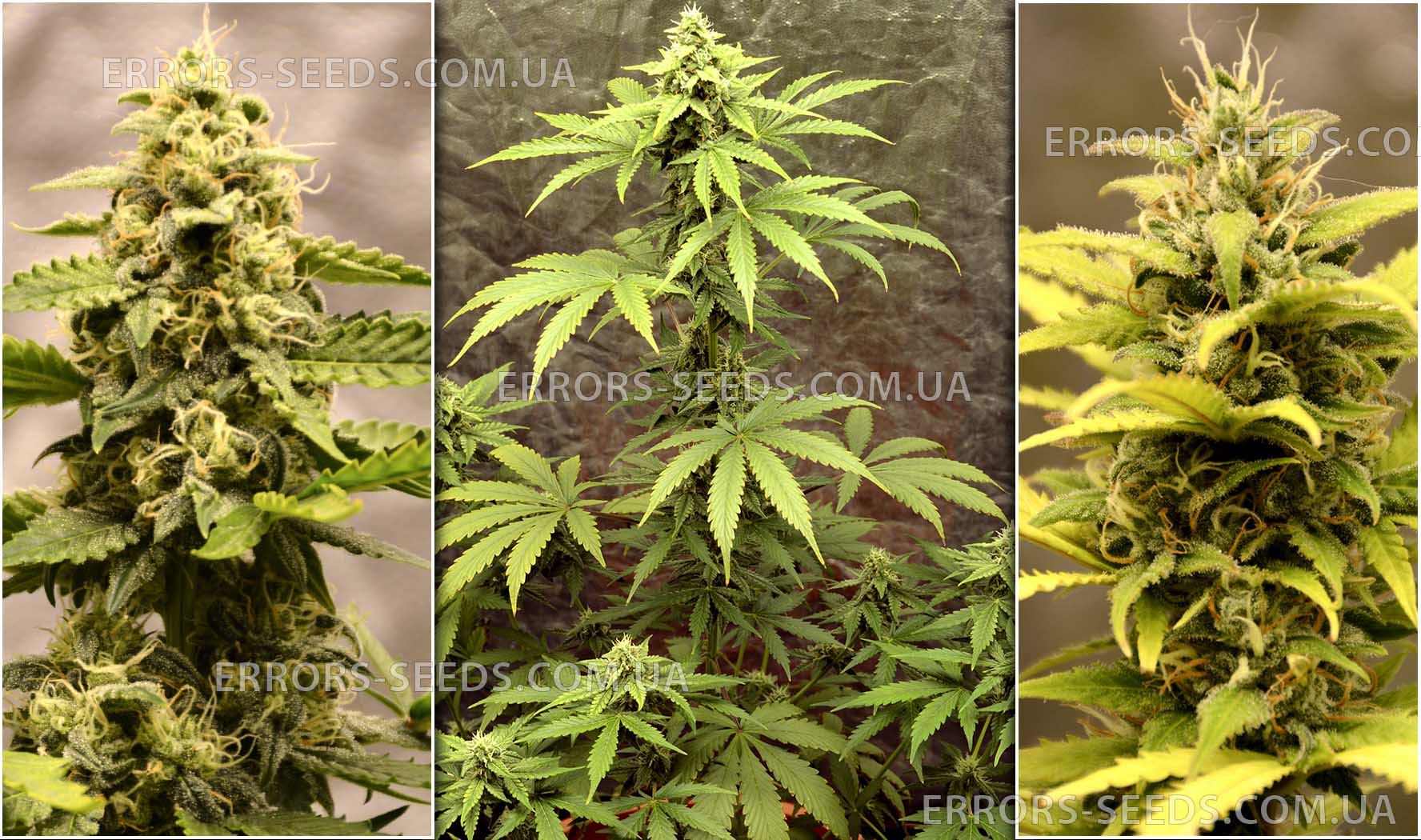
Ideal post-harvest requires a gradual drop in temperature and humidity control at every processing stage. The main figures are summarised in the table below.
| Process stage | Temperature | Air humidity | Main goal of the stage |
| Harvest | Early morning (before heat) | Natural | Lock in peak resin and trichome concentration |
| Main drying | 18–20 °C | 50–55% | Smooth removal of excess moisture without loss of volatile oils |
| Primary curing | 16–18 °C | 60–65% (in jar) | Chlorophyll fermentation, removal of harsh notes |
| Long-term storage | 10–15 °C | 58–62% (stable) | Protect terpenes from oxidation and degradation |
For a reliable result, choose genetically stable seeds from known brands. Those who prefer controlled conditions grow indoors; for sunny ground the outdoor categories are suitable.
The range includes classic photoperiod seeds, fast autoflowering genetics and specialised medical cannabis.
Careful post-harvest determines final harvest quality because proper drying and curing are what preserve the fragile terpene bouquet and the natural strength of the cannabinoids. Following the process turns genetic potential into ideal taste and aroma.
Terpenes are the soul of the plant, and careful handling of the harvest lets them fully express themselves.
Terpenes are highly volatile and begin to evaporate and degrade actively above 20–30 °C.
Ideal drying takes 7 to 14 days in a dark, cool room at 50–55% humidity.
Opening the jars for 10–15 minutes releases excess moisture and carbon dioxide and lets in oxygen for proper chlorophyll fermentation.
The ideal humidity inside containers for long-term storage is 58–62%.
Fast drying with a dryer or in the sun destroys up to 80% of essential oils, leaves a hay-like smell and causes unpleasant bitterness on tasting.
With full darkness, 10–15 °C and stable humidity, the harvest can keep its aroma and properties for more than a year.
Series of articles on cannabis terpenes:
 Написать отзыв